How Windshield RFID Tags Cut Gate Queue Time for Ports & Commercial Fleet Management
Introduction
Ports and commercial fleet hubs are the backbone of global supply chains, yet gate congestion remains one of the most persistent operational pain points. For decades, manual vehicle verification, license plate recognition limitations, and manual checkpoint logging have led to lengthy queue times, delayed cargo turnover, excess fuel consumption, and chaotic fleet scheduling. At busy port gates and logistics parks, a single truck could spend 30 to 45 minutes completing entry and exit procedures, creating bottlenecks that ripple through the entire logistics network.
Today, windshield RFID tags have emerged as a game-changing solution to eliminate gate congestion and streamline commercial fleet operations. As a contactless, high-precision intelligent identification technology, UHF windshield RFID tags enable hands-free, high-speed vehicle verification, drastically cutting gate queue time while improving overall operational transparency and security for ports and fleet enterprises.
The Core Pain Points of Traditional Port & Fleet Gate Management
To understand the value of windshield RFID tags, it is essential to analyze the flaws of traditional gate management modes. Most port and fleet yard gate systems rely on manual inspection or camera-based license plate recognition (LPR), which come with unavoidable limitations.
First, manual verification is time-consuming and labor-intensive. Drivers need to stop completely, roll down windows, and present documents or access cards for staff inspection. Each vehicle clearance takes 30 seconds to several minutes, and during peak hours, long queues form rapidly, causing severe port congestion and cargo delivery delays.
Second, LPR technology is highly susceptible to environmental interference. Bad weather such as rain, fog, and snow, dirty or scratched license plates, and dim lighting conditions can lead to recognition failures or errors, requiring secondary manual confirmation and further extending queue time.
Third, traditional systems lack real-time data synchronization. Manual recording and offline statistics make it impossible for managers to track fleet entry and exit dynamics in real time, resulting in inefficient fleet scheduling, inaccurate cargo turnover statistics, and difficulty in identifying abnormal vehicle access behaviors.
These pain points not only reduce port throughput and fleet operational efficiency but also increase labor costs, vehicle wear and tear, and carbon emissions, bringing long-term economic losses to logistics and port enterprises.
How Windshield RFID Tags Eliminate Gate Queues: Working Principles & Key Advantages
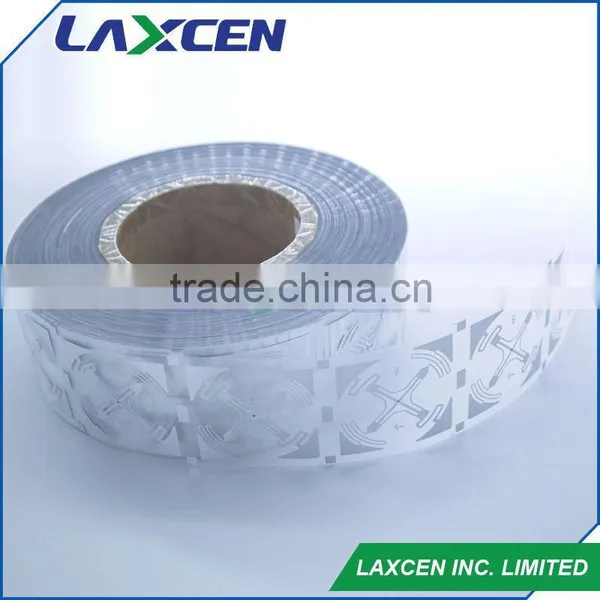
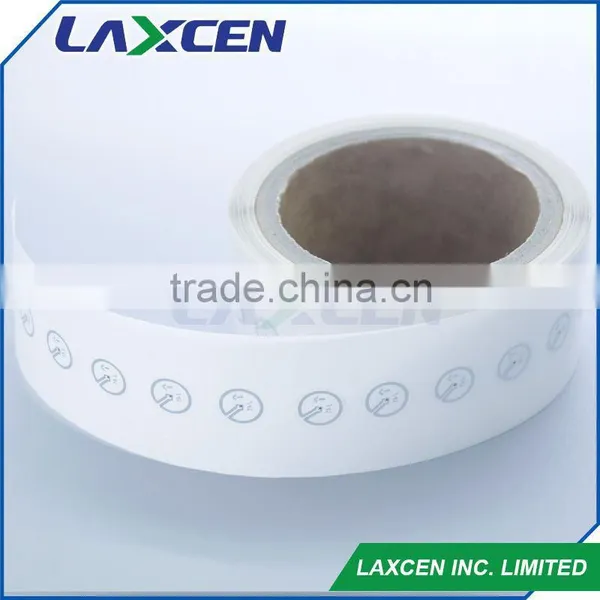
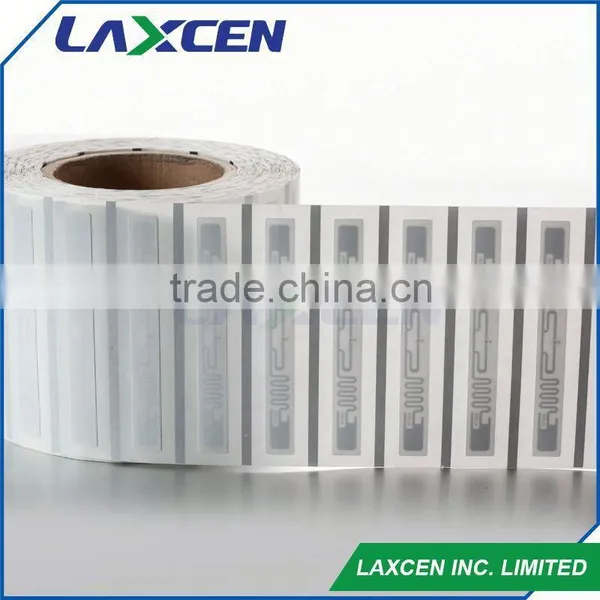
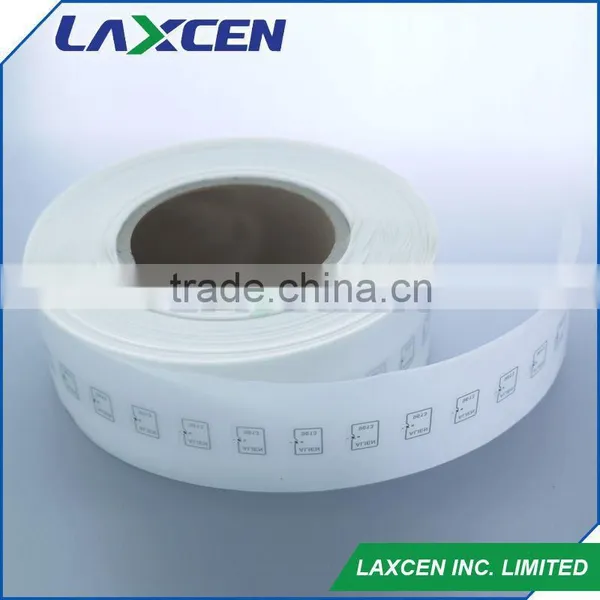
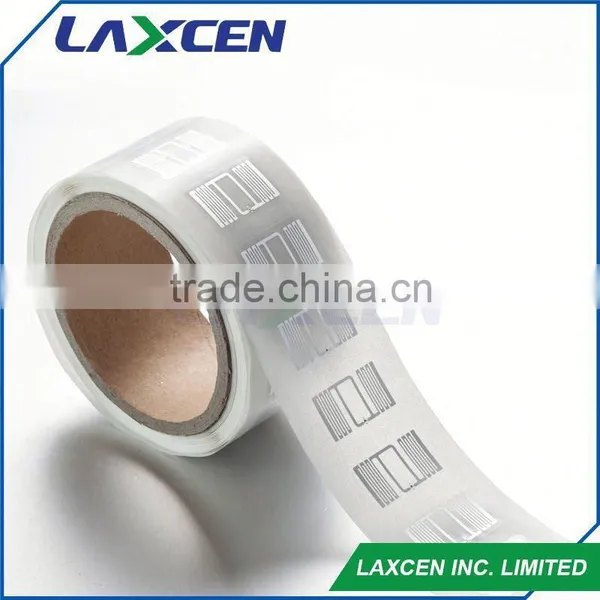
Windshield RFID tags are passive UHF radio frequency identification labels specially designed for vehicle windshields. Installed on the inner side of vehicle windshields, these battery-free tags store unique vehicle ID, fleet information, registration details, and access permission data. Paired with fixed RFID readers installed at port gates and fleet yard entrances, they realize automatic, non-stop vehicle identification and access verification.
1. Non-Stop High-Speed Passage, Zero Queue Waiting
Different from manual inspection and LPR recognition that require vehicle deceleration or stopping, windshield RFID tags support long-distance and high-speed identification. With a reading range of 3 to 10 meters, the system can accurately identify vehicles passing through gates at a normal driving speed of 10–20 km/h. The entire verification process takes less than 3 seconds, compared with the traditional 30–45 minute manual clearance process for container trucks, reducing single-vehicle gate time by over 98%. This non-stop passage mode completely eliminates long queues during peak hours and greatly improves gate throughput.
2. Ultra-High Recognition Accuracy Resists Environmental Interference
Windshield RFID tags feature stable and reliable recognition performance, free from the restrictions of light, weather, and vehicle appearance. Whether in rainy, foggy, or dark night environments, or when the vehicle body and license plate are dirty, the RFID system can maintain a first-read accuracy rate of over 99%. It effectively avoids recognition failures and secondary inspection delays caused by adverse conditions, ensuring continuous and stable gate operation all day long.
3. Tamper-Proof Design Improves Fleet Access Security
Commercial fleet and port vehicle management face risks such as unauthorized vehicle access and tag fraud. Windshield RFID tags adopt a destructible adhesive design. Once removed or tampered with, the internal antenna will break and fail, preventing tag transfer and illegal use. Each tag corresponds to a unique registered vehicle, realizing one-car-one-tag management, which standardizes vehicle access order and enhances port and fleet yard security management.
4. Automatic Data Synchronization for Intelligent Fleet Scheduling
Every time a vehicle with an RFID tag passes through the gate, the system automatically records key data including vehicle ID, entry and exit time, and passage location, and synchronizes the data to the cloud management platform in real time. Fleet managers can view real-time vehicle dynamics, count port cargo turnover efficiency, and analyze peak traffic periods through the platform. This data-driven management mode optimizes staff scheduling, gate operation arrangements, and fleet dispatch plans, further improving overall operational efficiency.
Practical Operational Benefits for Ports & Commercial Fleets
The large-scale application of windshield RFID tags has brought tangible economic and operational benefits to ports and commercial fleet enterprises, helping the logistics industry achieve intelligent and low-cost operation.
For port operations, RFID intelligent gate management greatly improves container turnover efficiency. Reduced queue time means faster cargo loading and unloading, shorter port residence time of trucks, and higher overall port throughput. Meanwhile, non-stop passage reduces vehicle idle time, cutting fuel consumption and exhaust emissions, helping ports achieve green and low-carbon operation goals.
For commercial fleet management, RFID tag technology simplifies vehicle access management procedures and reduces manual inspection labor costs. The real-time vehicle access data provides accurate data support for fleet performance assessment, route optimization, and operation analysis. Enterprises can effectively reduce vehicle management costs, improve fleet operation transparency, and avoid operational losses caused by inefficient scheduling and abnormal vehicle access.
In practical industry applications, logistics parks and ports that have deployed windshield RFID systems have seen a 40% increase in gate vehicle throughput and a significant reduction in manual management errors, verifying the strong practical value of this technology.
Conclusion
Gate queue congestion has long been a bottleneck restricting the operational efficiency of ports and commercial fleets. Windshield RFID tags break through the limitations of traditional manual and visual recognition management modes, relying on non-stop high-speed identification, high stability, anti-tamper security, and data intelligent synchronization capabilities to thoroughly solve the problem of long gate queue time.
As smart port construction and digital fleet management continue to advance, windshield RFID technology will become a standard configuration for logistics and port access management. It not only optimizes on-site gate operation efficiency but also lays a solid foundation for the digital, intelligent, and green upgrading of the global supply chain logistics system.
Recently Posted
-
Screw‑Mount vs Adhesive‑Back Anti‑Metal RFID Asset Tags: Pros & Cons for Long‑Term Asset Management
August 28, 2026IntroductionIn industrial asset management, RFID technology has become the backbone of accurate, real-time asset tracking for metal-heavy equipment, machinery, and fixed assets. Unlike standard RFID tags that suffer from signal interference and performance degradation on metal surfaces, anti-metal RFID tags are specially engineered to maintain stable reading performance on metallic substrates. When deploying these tags for loRead More -
How RFID Luggage Labels Solve Cross‑System Data Interoperability at Hub Airports
August 28, 2026IntroductionHub airports serve as the critical transfer nodes for global air travel, handling massive volumes of connecting baggage every day. These complex transportation hubs involve multiple independent systems, including airline departure control systems (DCS), airport baggage handling systems (BHS), ground service management platforms, and third-party logistics systems. For decades, traditional barcode-based luggage labeRead More -
Passive UHF Airline Luggage RFID Labels: Selection for Tear‑Resistance, Temperature Tolerance & Roug
August 28, 2026IntroductionAirline baggage handling is one of the most demanding logistics scenarios in the aviation industry. Every day, millions of checked luggage pieces undergo rigorous physical and environmental stress: continuous conveyor belt friction, stacking compression, violent handling during loading and unloading, drastic temperature fluctuations, and exposure to humidity and dust. In this high-intensity operational environmentRead More -
Full‑Chain Traceability with Livestock RFID: Tracking Solution from Breeding & Slaughter to Meat Sup
August 28, 2026IntroductionFood safety and supply chain transparency have become non-negotiable priorities for the global livestock and meat industry. Consumers, regulatory authorities, and suppliers are increasingly demanding verifiable data on meat origins, breeding conditions, processing standards, and logistics records. Traditional manual recording and paper-based tracking systems are plagued by data gaps, human errors, tampering risks,Read More

Contact Us

Recommended Products
-
 2016 New Design RFID Windshield TagUS$ 0.1 - 0.35MOQ: 1 Piece
 -
Professional Mould Design Impinj m4 Rfid LabelUS$ 0.07 - 0.15MOQ: 1 Piece
-
Waterproof Washable Rfid Tags Rfid Sticker Tag Printing & Encoding Service N9US$ 0.05 - 0.15MOQ: 2000 Pieces
-
Custom Passive Programmable Impinj UHF RFID Label E44US$ 0.05 - 0.15MOQ: 2000 Pieces
-
ISO18000-6C Impinj Uhf Rfid Tags Label,uhf Rfid Tags Label,uhf Rfid TagsUS$ 0.05 - 0.05MOQ: 1 Piece
-
Long Read Range UHF Rfid TagUS$ 0.05 - 0.15MOQ: 2000 Pieces
-
Top Quality , General-purpose RFID Inlay , RFID TagUS$ 0.07 - 0.15MOQ: 2000 Pieces
-
Full-Specturm of UHF RFID RFID InlayUS$ 0.05 - 0.15MOQ: 1 Piece
-
Top Selling Rfid Uhf Rfid Label Printing & Encoding Service Laxcen--9662US$ 0.05 - 0.15MOQ: 2000 Pieces
-
UHF Rifd Tag , Rfid Inlay Manufacturer With 10 Years ExperienceUS$ 0.05 - 0.15MOQ: 2000 Pieces
-
Free Sample Impinj Monza 4E UHF RFID Tag RFID Inlay F43US$ 0.05 - 0.15MOQ: 2000 Pieces
-
High Quality EPC Class 1 Gen2 Rfid Tag , Laxcen With Impinj Authorized E53US$ 0.05 - 0.15MOQ: 2000 Pieces
-
Top Quality , UHF RFID Tag , Alien h3 Rfid TagUS$ 0.05 - 0.15MOQ: 1 Piece
-
Best Selling UHF RFID Inlay Label EPC C1 Gen2 E70US$ 0.05 - 0.15MOQ: 2000 Pieces
-
Top Selling, High Quality, UHF RFID Tag Label Manufacturer With 10 Years Experience Alien 9620US$ 0.05 - 0.15MOQ: 2000 Pieces
-
Best Seller With Hot Product Rfid Tag ,rfid Inlay ,wet Inlay ,from Laxcen H42US$ 0.05 - 0.15MOQ: 2000 Pieces
-
Small Size Top Quality RFID Tag,100% Qualified Product J41US$ 0.05 - 0.15MOQ: 2000 Pieces
-
Top Selling, High Quality, UHF RFID Tag Label Manufacturer With 10 Years Experience Alien 9640US$ 0.05 - 0.15MOQ: 2000 Pieces
-
ALN 9613 Best Selling, High Quality, UHF RFID Tag Label Manufacturer With 10 Years Experience Alien 9613US$ 0.05 - 0.15MOQ: 2000 Pieces
-
Custom UHF RFID Label Manufacturer With 10 YearsUS$ 0.05 - 0.15MOQ: 2000 Pieces