Key Selection Criteria for Passive UHF Windshield RFID Tags|Chip, Adhesive, Temperature & Protocol
Introduction
Passive UHF windshield RFID tags have become the core identification component for modern vehicle management systems, covering automatic toll collection, parking access control, fleet tracking, and intelligent traffic monitoring. Unlike ordinary paper UHF RFID tags, windshield-mounted tags face complex and harsh application scenarios, including long-term outdoor exposure, extreme temperature fluctuations, glass dielectric interference, and artificial tampering risks.
The performance and service life of windshield RFID tags directly determine the stability of the entire vehicle identification system. Most on-site recognition failures, tag invalidation, and short service life problems stem from improper selection of core components and parameters. This blog systematically sorts out the four core selection criteria for passive UHF windshield RFID tags: chip performance, adhesive quality, temperature resistance, and communication protocol, providing practical guidance for procurement and engineering deployment.
1. RFID Chip: The Core of Recognition Stability
The chip is the brain of passive UHF windshield tags, and its sensitivity, memory configuration, and anti-interference capability directly decide the tag’s reading distance and recognition accuracy in vehicle scenarios. Windshield installation has unique dielectric attenuation characteristics, especially for heat-rejection windshields widely used in new energy vehicles and mid-to-high-end fuel vehicles, which will greatly weaken RFID signal transmission.
For high-stability vehicle identification scenarios, high-sensitivity professional chips are the first choice. Mainstream qualified chips include NXP UCODE 8/9 series and Impinj Monza R6-P/M800 series, with a reading sensitivity of ≤-22 dBm, which can effectively offset signal attenuation caused by glass and vehicle body metal interference. It is necessary to avoid generic obsolete chips and refurbished chips, which are prone to unrecognized failure at high-speed passing and long-distance identification.
In terms of memory configuration, standard vehicle tags need to support 96-bit or 128-bit EPC memory to store unique vehicle identification information, and extended user memory is optional for recording vehicle attribute data. In addition, excellent chips feature stable impedance matching design, which optimizes signal transmission adaptability for glass mounting environments and ensures consistent recognition performance in different vehicle models.
Recently Posted
-
HF vs UHF RFID Jewelry Tags: Comparison for Retail Showroom and Warehouse Storage
August 27, 2026IntroductionThe luxury jewelry industry relies heavily on precise inventory control, anti-loss management, and efficient operational workflows. High-value jewelry items are small, delicate, and prone to misplacement or theft, making traditional manual counting and barcode scanning inefficient and error-prone. RFID (Radio Frequency Identification) technology has become a mainstream solution for jewelry retail and warehousing,Read More -
Tamper-Evident RFID Jewelry Tags: Ultimate Solution to Prevent Jewelry Swap & Theft
August 27, 2026The fine jewelry industry faces unique and persistent security challenges every single day. From retail showrooms and custom jewelry studios to pawn shops and luxury jewelry warehouses, high-value rings, necklaces, bracelets, and earrings are vulnerable to two major risks: internal and external theft, as well as item swapping fraud. Traditional security measures such as surveillance cameras, manual inventory checks, and simplRead More -
Tamper-Resistant HF RFID Book Tags: Elevating Library Anti-Theft and Repeated Inventory Efficiency
August 27, 2026IntroductionModern libraries face two persistent operational challenges: preventable book loss and time-consuming manual inventory counting. Traditional security solutions, such as electromagnetic (EM) strips and basic barcode labels, can no longer meet the needs of smart library management. EM strips only support single anti-theft functions without data tracking capabilities, while barcodes require one-by-one manual scanningRead More -
Ultra-Thin Flexible RFID Library Tags:Substrate & Adhesive Selection for Heavy Circulation Wear
August 27, 2026IntroductionModern library management relies heavily on intelligent identification and automated circulation systems to streamline book borrowing, returning, inventory checking, and anti-theft monitoring. Ultra-thin flexible RFID tags have gradually replaced traditional rigid barcode labels and thick RFID strips, becoming the core carrier of smart library construction. Different from ordinary industrial RFID tags, library tagRead More

Contact Us

Recommended Products
-
 2016 New Design RFID Windshield TagUS$ 0.1 - 0.35MOQ: 1 Piece
 -
Professional Mould Design Impinj m4 Rfid LabelUS$ 0.07 - 0.15MOQ: 1 Piece
-
Waterproof Washable Rfid Tags Rfid Sticker Tag Printing & Encoding Service N9US$ 0.05 - 0.15MOQ: 2000 Pieces
-
Custom Passive Programmable Impinj UHF RFID Label E44US$ 0.05 - 0.15MOQ: 2000 Pieces
-
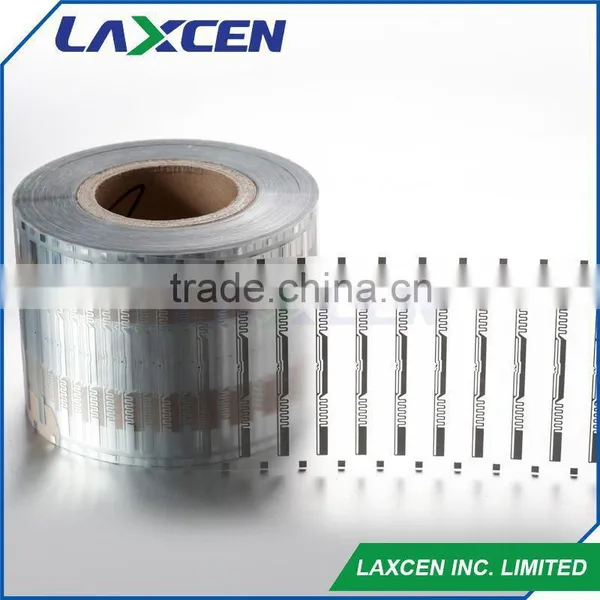
ISO18000-6C Impinj Uhf Rfid Tags Label,uhf Rfid Tags Label,uhf Rfid TagsUS$ 0.05 - 0.05MOQ: 1 Piece
-
Long Read Range UHF Rfid TagUS$ 0.05 - 0.15MOQ: 2000 Pieces
-
Top Quality , General-purpose RFID Inlay , RFID TagUS$ 0.07 - 0.15MOQ: 2000 Pieces
-
Full-Specturm of UHF RFID RFID InlayUS$ 0.05 - 0.15MOQ: 1 Piece
-
Top Selling Rfid Uhf Rfid Label Printing & Encoding Service Laxcen--9662US$ 0.05 - 0.15MOQ: 2000 Pieces
-
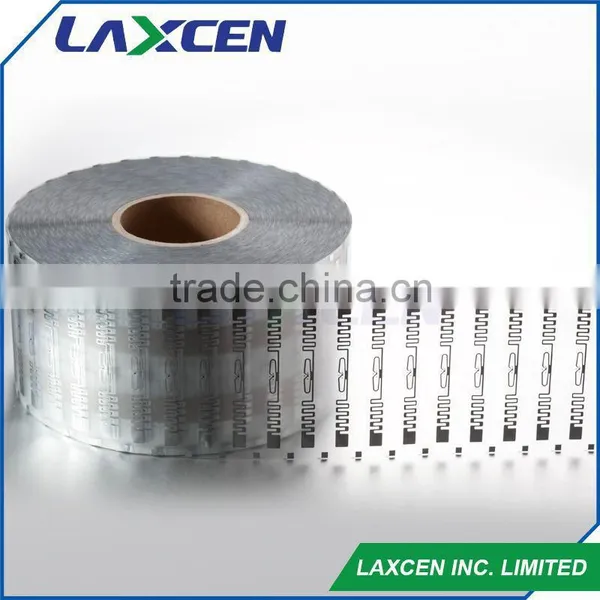
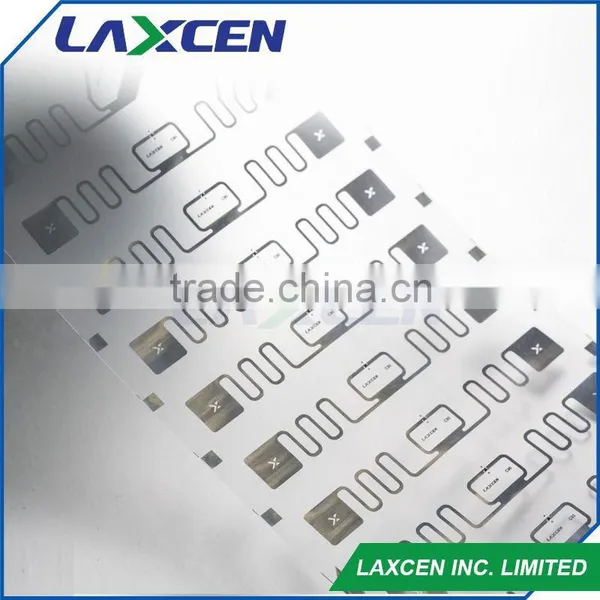
UHF Rifd Tag , Rfid Inlay Manufacturer With 10 Years ExperienceUS$ 0.05 - 0.15MOQ: 2000 Pieces
-
Free Sample Impinj Monza 4E UHF RFID Tag RFID Inlay F43US$ 0.05 - 0.15MOQ: 2000 Pieces
-
High Quality EPC Class 1 Gen2 Rfid Tag , Laxcen With Impinj Authorized E53US$ 0.05 - 0.15MOQ: 2000 Pieces
-
Top Quality , UHF RFID Tag , Alien h3 Rfid TagUS$ 0.05 - 0.15MOQ: 1 Piece
-
Best Selling UHF RFID Inlay Label EPC C1 Gen2 E70US$ 0.05 - 0.15MOQ: 2000 Pieces
-
Top Selling, High Quality, UHF RFID Tag Label Manufacturer With 10 Years Experience Alien 9620US$ 0.05 - 0.15MOQ: 2000 Pieces
-
Best Seller With Hot Product Rfid Tag ,rfid Inlay ,wet Inlay ,from Laxcen H42US$ 0.05 - 0.15MOQ: 2000 Pieces
-
Small Size Top Quality RFID Tag,100% Qualified Product J41US$ 0.05 - 0.15MOQ: 2000 Pieces
-
Top Selling, High Quality, UHF RFID Tag Label Manufacturer With 10 Years Experience Alien 9640US$ 0.05 - 0.15MOQ: 2000 Pieces
-
ALN 9613 Best Selling, High Quality, UHF RFID Tag Label Manufacturer With 10 Years Experience Alien 9613US$ 0.05 - 0.15MOQ: 2000 Pieces
-
Custom UHF RFID Label Manufacturer With 10 YearsUS$ 0.05 - 0.15MOQ: 2000 Pieces